Electricity is easy to ignore—until a breaker trips, a light keeps flickering, or your business loses power midday. Then every small issue feels urgent.
Reliable electrical service matters in the Lower Mainland. Older homes meet modern loads from EV chargers and smart devices. Commercial spaces need dependable lighting, signage, power distribution, and code-compliant installs. Industrial sites have zero room for error—downtime costs money and raises safety risks.
A good electrician does more than fix what’s broken. They explain the issue, protect your property, and make sure your system can handle current and future demand—whether it’s a condo repair, a commercial upgrade, or industrial work.
Why electrical work deserves attention
Electrical problems aren’t like chipped paint. Faulty wiring, overloaded circuits, damaged outlets, and outdated panels can lead to shocks, equipment damage, and fires. A buzzing switch or warm outlet is a warning.
Local realities:
- Many properties have older systems not designed for today’s loads
- More EV chargers, heat pumps, induction ranges, and automation
- Commercial spaces often repurposed for new uses
- Industrial sites depend on stable power for machinery and safety
“Working” isn’t always “safe and sufficient.”
Residential electrical: upgrades people delay
Panel upgrades rarely get the spotlight—but they matter. Add a heat pump, EV charger, hot tub, electric range, or suite and you may need more capacity and modern protection.
Common residential services:
- Wiring for renovations and additions
- Lighting installs and replacements
- Outlet/switch repairs
- Ceiling fans
- Panel upgrades and surge protection
- Smoke/CO wiring
- Home automation
- EV charger installation
- Troubleshooting and repairs
Call a licensed electrician if you notice:
- Frequently tripping breakers
- Flickering when appliances start
- Warm or buzzing switches/outlets
- Burning smells near the panel
- Two‑prong outlets, constant extension cords
- Not enough circuits or panel space
Panel upgrades help with:
- Load management and safety
- Room for future circuits
- Fewer nuisance trips
- Code compliance during renovations
Lighting
Good lighting improves safety, energy use, and comfort. Plan for task, ambient, accent, and exterior lighting. Choose function first, then fixtures.
Home automation
Keep it purposeful: smart switches, occupancy sensors, timers, and simple app control. Plan wiring, networking, and user controls up front.
EV chargers
Level 2 installs raise questions: panel capacity, load management, optimal location, wiring path, and permits. Prepare your home for how you live now.
Commercial electrical: reliability vs. downtime
Outages stall sales, disrupt operations, and damage equipment.
Common services:
- Tenant improvements, lighting retrofits
- Service upgrades and power distribution
- Dedicated circuits, emergency lighting, exit signs
- Panels, wiring for offices, restaurants, retail, warehouses
- Troubleshooting and repairs
Plan for actual operations. A restaurant’s needs differ from a retail unit or office. Lighting upgrades (LEDs, sensors, timers, exterior/security, task lighting) improve visibility, morale, and energy use fast. Code compliance—emergency lighting, exits, access, load calcs, permits—must be baked in from the start.
Industrial electrical: experience matters
Larger systems, heavier loads, higher stakes. Work often includes controls, specialized equipment, and strict shutdown planning.
Services:
- High-voltage installations, transformers, substations
- Motor controls, machine wiring
- Power distribution upgrades
- Generators, preventive maintenance
- Emergency repairs and troubleshooting
Plan around operations: load studies, shutdown coordination, lockout/tagout, testing, phased installs, documentation. Backup power can protect critical systems and pay for itself the day it prevents a shutdown.
When to call an emergency electrician
Call immediately for:
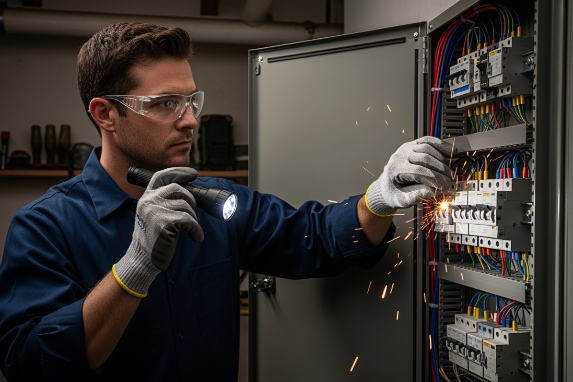
- Burning smells, visible sparks, smoke
- Sudden loss of power to critical systems
- Water in electrical areas
- Exposed live wiring
- Hot panels
- Repeated trips with no clear cause
- Storm damage affecting service
Stabilize the hazard, then diagnose the root cause.
Why licensed electricians matter
They understand code, load calcs, grounding/bonding, protection, testing, and fault tracing. DIY often fails with overloaded circuits, loose connections, wrong breakers, missing permits, poor box fill/support, unsafe outdoor installs, and mixed old/new wiring. It might “work” until demand rises.
Choosing the right electrician
- Verify licensing, insurance, and permits
- Ask who will do the work
- Ask about their troubleshooting process
- Get a written estimate with scope and assumptions
- Confirm emergency response times
Small habits to prevent repairs
- Don’t use power bars/extension cords as permanent wiring
- Watch for flickering, buzzing, warm devices, and trips
- Test smoke/CO alarms
- Schedule checks during renos, major appliance adds, or older-home purchases
- Inspect exterior electrical for weather wear
- Use preventive maintenance for commercial/industrial sites
The bottom line
Reliable electrical service isn’t just fixing failures—it’s making homes safer, businesses more functional, and industrial operations more stable. Choose licensed, careful, straight‑talking pros who explain what’s urgent and what can wait. Clarity reduces stress—and risk.