Air conditioning does not usually fail all at once. More often, it gets a little worse over time. The house takes longer to cool. Energy bills creep up. One room feels fine, another feels muggy, and the system seems to run forever.
That slow decline is why efficiency matters. A more efficient air conditioner uses less electricity to do the same job, keeps temperatures steadier, and usually lasts longer because it is not straining as hard. The good news is that better efficiency often comes from pretty ordinary habits, not expensive upgrades.
If you want your AC to cool well without wasting energy, start with these seven tips. They are simple, practical, and worth doing whether you manage a home, a small office, or a larger building.
When an air conditioner loses efficiency, the problem is rarely just comfort. The system runs longer, which increases wear on motors, fans, and compressors. Airflow drops. Filters clog. Small maintenance issues turn into repair calls.
There is also the cost side. Cooling can be one of the biggest electricity expenses during warm weather, especially in spaces with long operating hours or a lot of heat gain from windows, equipment, or occupancy. Even modest improvements in efficiency can trim those costs.
I think this is the part many people underestimate. They assume AC performance is mostly about whether the unit turns on or off. In reality, there is a big difference between a system that works and a system that works well.
One of the easiest ways to reduce waste is to stop cooling space you do not need.
If certain rooms sit empty for most of the day, it makes sense to concentrate conditioned air where people are actually spending time. In a home, that might be the main living area during the day and bedrooms at night. In a commercial space, it might be occupied offices, retail areas, or active work zones rather than storage rooms or rarely used meeting rooms.
Closing doors to unused rooms can help limit where cooled air goes. If your system has zoning controls or separate ductless units, this becomes even more effective because you can direct cooling with much more precision.
A quick note of caution, because this tip gets simplified a lot: closing too many supply vents in a traditional central air system is not always a good idea. Some systems are designed to move a certain amount of air, and restricting that airflow too much can increase pressure in the ductwork and reduce performance. If you have a standard forced air setup, it is usually smarter to close off unused rooms modestly and rely on thermostat settings, zoning, or professional advice before shutting a large number of vents.
The basic principle still holds. Cooling only the space that needs cooling reduces the workload on the system, and lower workload usually means lower energy use.
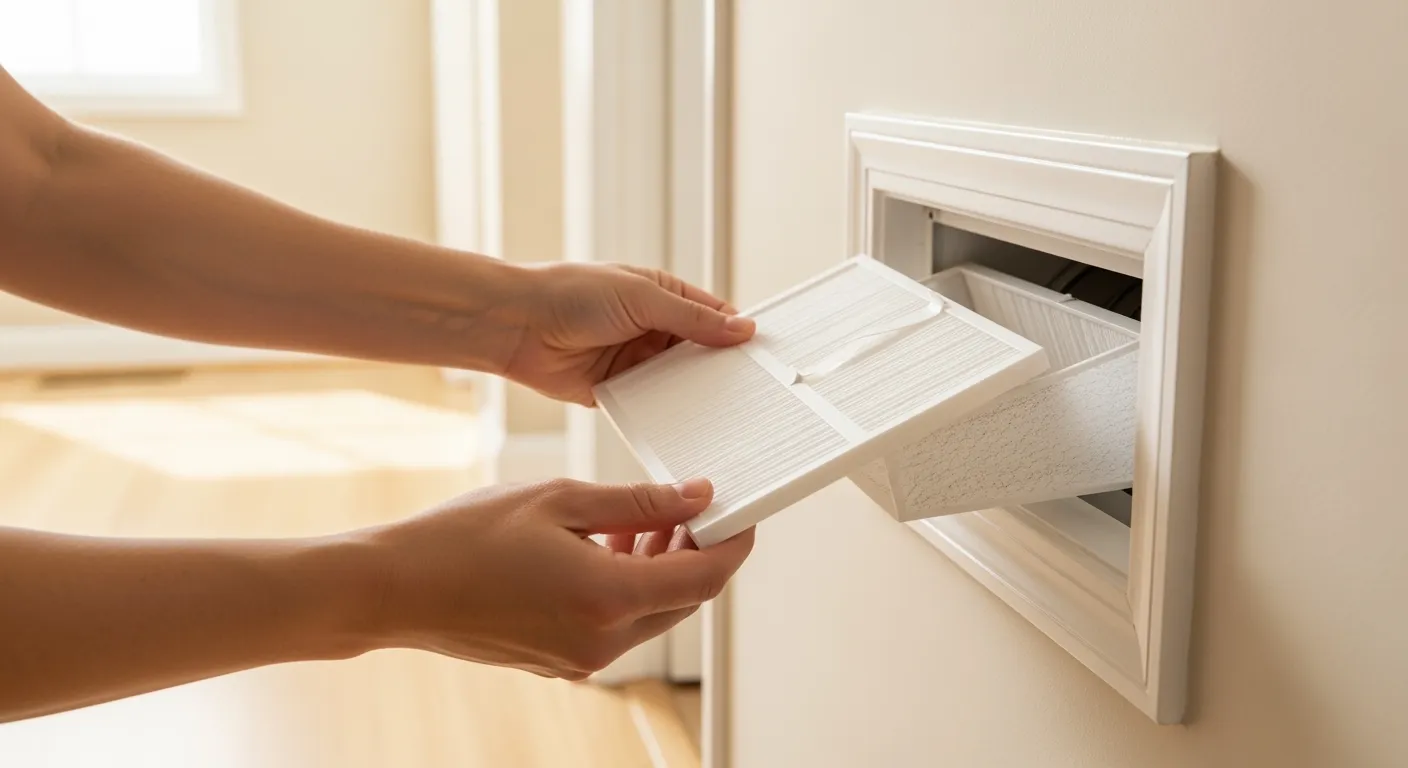
Dirty filters are one of the most common causes of poor AC efficiency. They are also one of the easiest things to fix.
When a filter gets clogged with dust, pet hair, lint, and debris, the system has to work harder to pull air through it. That reduced airflow makes cooling less effective, increases energy use, and can shorten the life of the equipment. In some cases, poor airflow can even contribute to coil issues and uneven temperatures throughout the building.
A good rule is to inspect disposable filters every month during heavy cooling season. Some homes need replacement monthly. Others can go longer, depending on factors like pets, renovations, occupancy, and local dust levels. If you use reusable filters, follow the manufacturer’s cleaning instructions and schedule rather than guessing.
Here are a few signs your filter may need attention:
The filter looks gray, dusty, or visibly packed with debris.
Airflow from supply vents feels weaker than usual.
The system seems to run longer to reach the set temperature.
Indoor dust builds up quickly.
This is one of those boring maintenance tasks that pays off fast. A clean filter helps the whole system breathe properly. That matters more than people think.
Air conditioners do not need to work as hard when outdoor temperatures drop. Yet plenty of people leave the thermostat set exactly the same overnight as it is during the hottest part of the afternoon.
That is usually wasted energy.
In many homes and buildings, nighttime conditions are naturally cooler, which means you can raise the thermostat setting a bit and still stay comfortable. Even a small temperature adjustment can cut unnecessary runtime. For sleeping areas, comfort is personal, of course, but many people can tolerate a slightly warmer setting at night than they expect, especially if humidity is under control and air circulation is decent.
For businesses, the logic is even clearer. If a building is unoccupied overnight, there is rarely a reason to maintain full daytime cooling. A scheduled temperature setback can reduce energy consumption without affecting comfort during occupied hours.
The exact temperature depends on the space, insulation, humidity, and who is using it, so there is no magic number that fits everyone. Still, this is worth experimenting with. Raise the setting by a degree or two at night and see whether anyone notices. If comfort stays the same, you just found an easy efficiency win.
People are not great at remembering to change the thermostat. That is not a character flaw. It is just real life.
A programmable thermostat solves that problem by automating temperature changes based on your schedule. It helps prevent overcooling when no one is around and avoids the daily cycle of someone setting the temperature too low, then correcting it later.
For homes, a simple schedule might look like this:
Slightly warmer during work or school hours
Cooler before people return home
A bit warmer again overnight if conditions allow
For commercial and industrial spaces, scheduling can follow operating hours, shift changes, weekends, and low occupancy periods.
This kind of automation reduces human error, and that matters. A system that is running on a smart schedule will usually use less energy than one being adjusted randomly throughout the day.
If you already have a programmable thermostat, it is worth checking whether the schedule still matches how the space is actually used. People move, routines change, office hours shift, and seasonal patterns are not always the same. A thermostat only saves energy if the program makes sense.
One more thing: setting the thermostat dramatically lower does not cool the room faster on most systems. It just makes the unit run longer. That habit wastes energy and often leaves the space too cold.
Even a well maintained AC system can struggle if indoor airflow is blocked.
Furniture pushed in front of vents, drapes hanging over registers, stacked boxes near returns, and crowded indoor equipment closets all make it harder for air to move the way the system was designed to move it. That restriction hurts efficiency and can create hot and cold spots around the building.
This is especially common with return air vents. Supply vents get more attention because you can feel the cool air coming out, but return vents are just as important. If return airflow is obstructed, the whole system has a harder time circulating air properly.
Take a few minutes to walk through the space and look for obvious blockages. Check around:
Supply registers
Return grilles
Indoor air handlers
Wall mounted indoor units
Curtains and furniture near vents
In offices, it is amazing how often filing cabinets, product displays, or temporary storage end up interfering with airflow. In homes, sofas and rugs are frequent culprits. No one does it on purpose. It just happens gradually.
Clear space around the indoor unit and vents helps the AC deliver cooling more evenly and with less effort. It is a simple fix, but it works.
Some efficiency problems are easy to see. Others are hidden inside the system.
Annual maintenance gives a trained technician a chance to spot issues before they become expensive or disruptive. That includes dirty coils, low refrigerant, worn electrical components, drainage problems, loose connections, blower issues, and other faults that can quietly drag down performance.
A yearly service visit often includes cleaning, inspection, testing, and adjustment of key parts. The exact checklist varies by system, but the purpose is the same: keep the equipment running as close to intended performance as possible.
This is also where safety comes in. Air conditioning systems combine moving mechanical parts, electrical components, and refrigerant circuits. A professional inspection is not just about energy use. It is about catching developing problems early.
If your unit is making unusual noises, short cycling, struggling to maintain temperature, or producing weak airflow, do not wait for the seasonal tune up. Those signs usually mean the system is already working harder than it should.
I tend to think of maintenance the same way I think of changing oil in a vehicle. Skipping it might not cause an immediate failure. But it rarely ends well.
Sometimes the most efficient fix is not another repair. It is a replacement.
Older air conditioners often use much more electricity than newer high efficiency systems. If your unit is aging, frequently breaking down, or failing to cool evenly, it may be costing more to operate than it is worth. In that case, replacing it can reduce both energy use and ongoing maintenance headaches.
When comparing systems, efficiency is commonly measured using SEER, or Seasonal Energy Efficiency Ratio. On newer equipment, you may also see SEER2. The idea is the same: a higher rating means the unit delivers more cooling for the energy it uses.
Many older systems have much lower efficiency ratings than modern equipment. A unit with a SEER rating of 13 or higher will generally use less energy than an outdated model, and higher rated options can improve savings further, depending on climate, usage, and installation quality.
That last part matters. A high efficiency unit will not perform well if it is incorrectly sized or poorly installed. Bigger is not always better. An oversized air conditioner can short cycle, cool unevenly, and leave humidity issues behind. A properly sized system that matches the building’s needs usually performs better than a larger one chosen on assumption.
Replacement starts to make more sense when you notice patterns like these:
Repair costs are stacking up
Cooling bills stay high despite maintenance
The system runs constantly in warm weather
Comfort is inconsistent from room to room
Parts are harder to source because the equipment is old
If several of those sound familiar, it may be time to compare the cost of another repair with the long term cost of keeping an inefficient unit in service.
If you want a simple starting point, do this before the day ends:
Check the air filter and replace or clean it if needed.
Look at your thermostat schedule and adjust for nighttime or unoccupied hours.
Walk through the space and clear anything blocking vents or return grilles.
Identify rooms that do not need regular cooling and reduce waste there where appropriate.
Put annual maintenance on the calendar if it is overdue.
That is maybe ten minutes of work, and it can prevent a lot of needless runtime.
People sometimes assume AC efficiency requires a big equipment upgrade or a complicated retrofit. Sometimes it does. Often it does not.
Most of the time, better performance starts with simple things: cleaner filters, smarter thermostat settings, unobstructed airflow, a bit more discipline about unused rooms, and one professional inspection each year. Those habits reduce strain on the system and help it cool the way it was meant to.
If your air conditioner feels like it is working too hard, it probably is. Start with the basics first. They are not flashy, but they are usually where the real savings live.